Somerset House upholstery cleaning advice for Aldwych residents
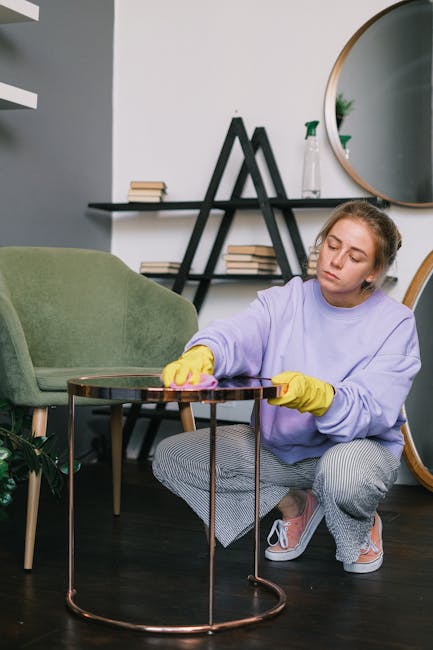
If you live or work near Somerset House, upholstery tends to pick up more than you expect: dust drifting in on a busy day, tea splashes after a late meeting, damp from a rainy commute, even the faint grime that builds up in a flat that is always "almost tidy". This guide gives Somerset House upholstery cleaning advice for Aldwych residents that is practical, realistic, and easy to act on. You will learn how to care for sofas, chairs, benches, and fabric headboards without making common mistakes that can leave marks worse than the original stain. Let's keep it simple, because upholstery care really does get better when you stop guessing.
Whether you are dealing with a favourite armchair, a landlord-ready flat, or office seating that sees a lot of use, the right approach depends on the fabric, the stain, and how quickly you respond. Some jobs are safe to handle at home. Others are best left to a specialist. The aim here is to help you make that call with confidence.
Why Somerset House upholstery cleaning advice for Aldwych residents Matters
Upholstery is one of those things people stop noticing until it starts looking tired. A sofa can seem clean from a distance, then you sit down and spot the food crumb trail, the greyish patch on the arm, or a water ring from a rushed wipe. In a central London area like Aldwych, furniture gets extra wear. There is foot traffic, office spillover, dust from building work, and plenty of wet-weather debris carried in on coats and shoes.
Advice tailored to Somerset House and the surrounding Aldwych area matters because different homes and workplaces face different cleaning pressures. A flat-share sofa needs a different rhythm of care than a reception chair used by visitors all day. A velvet cushion on a period piece needs a gentler touch than a synthetic dining chair pad. Truth be told, a lot of damage happens because people use the wrong method with the best intentions.
There is also the bigger value issue. Clean upholstery can help a room feel fresher, brighter, and better maintained. That matters if you host guests, rent your property, or run a small workspace. It also helps furniture last longer, which is the bit people tend to appreciate only after they have replaced a settee far earlier than planned.
Expert summary: the smartest upholstery cleaning approach is not "clean everything harder"; it is "match the fabric, the stain, and the drying time to the safest method available".
How Somerset House upholstery cleaning advice for Aldwych residents Works
The process starts with identifying the fabric and the type of soil on it. That sounds obvious, but it is the part many people skip. Natural fibres, synthetic blends, wool, cotton, linen, velvet, and leather all behave differently. Even within the same sofa, the seat cushions and the arms may respond differently because the oils and friction are not the same.
In practical terms, the usual flow is:
- Inspect the furniture carefully, including seams, piping, tags, and hidden areas.
- Check the manufacturer's cleaning guidance if it is available.
- Test any cleaning product on a discreet spot first.
- Choose a method: vacuuming, spot treatment, low-moisture cleaning, or deeper professional treatment.
- Control moisture so the fabric does not stay damp for too long.
- Allow full drying before heavy use.
If you are dealing with light dust and crumbs, a good vacuuming routine can go a long way. If the issue is odour, ingrained soil, or repeated spills, a deeper clean is usually needed. That is where professional services such as upholstery cleaning can be the more reliable route, especially for delicate or high-value items.
It is worth saying that not every stain should be attacked immediately with the first product in the cupboard. Some stains respond badly to heat, some to water, and some to vigorous scrubbing. A careful approach often saves the fabric. Slightly slower, yes. Better? Usually, absolutely.
Key Benefits and Practical Advantages
Good upholstery care gives you more than a nice-looking sofa. The practical advantages are broader, and to be fair, often more useful than people expect.
- Improved appearance: fabric looks fresher, colours look less dulled, and the room feels more put together.
- Better indoor comfort: less dust and surface dirt means a cleaner-feeling space day to day.
- Longer furniture life: removing abrasive dirt can slow wear on fibres.
- Odour reduction: food smells, pet odours, and general stale scent are easier to manage when treated properly.
- Better impression for visitors or tenants: useful in homes, guest spaces, and small offices near Aldwych.
There is also a time-saving angle. If you keep on top of minor issues, you are less likely to face a bigger restoration job later. That is especially helpful in busy households where the sofa doubles as a dining area, reading nook, and sometimes a makeshift desk. We have all been there.
For residents who need a broader refresh, upholstery care can slot neatly into a wider clean, such as deep cleaning or a one-off reset after a hectic season. If the furniture is in a rented property, pairing upholstery work with end of tenancy cleaning can help the whole place feel ready without leaving the seating as the one obvious weak spot.
Who This Is For and When It Makes Sense
This advice is relevant if you are a homeowner, tenant, landlord, office manager, or even just the person who ended up responsible for the "nice chair" in the corner that everyone uses but nobody cleans. That happens more often than people admit.
You are likely to benefit if:
- you have visible marks, drink spills, or pet-related stains on sofas or chairs
- your upholstery smells stale after a long damp spell
- you are preparing a flat, studio, or office for guests or inspection
- the fabric looks dusty or flattened even though the room is otherwise tidy
- you have delicate material and want to avoid making it worse
It also makes sense after renovation work or a busy move. Dust from nearby building activity can settle into fabric faster than people think, especially around window seats, dining chairs, and soft furnishings in open-plan rooms. In those cases, pairing the work with after builders cleaning can make a huge difference.
Commercial spaces near Somerset House, such as small offices or client-facing waiting areas, also need a sensible schedule. Upholstered chairs in a workplace do not always look dirty at first glance, but they hold onto skin oils, dust, and everyday contact. If that sounds familiar, a planned visit from office cleaning support can keep the whole setting more presentable.
Step-by-Step Guidance
Here is a practical process you can follow before calling in help. No drama, just a proper method.
1. Identify the fabric
Look for care labels or any maker notes. If there is no label, inspect the texture. Velvet, linen, wool blends, and microfibre all behave differently. If you are unsure, assume the fabric is more delicate than you hoped. That is safer.
2. Vacuum thoroughly
Use a soft brush attachment and vacuum slowly. Work into seams, under cushions, and along the back where dust collects quietly. This is not glamorous work, but it is the foundation of a cleaner result.
3. Spot test first
Before applying anything to the visible area, test on a hidden patch. Wait for it to dry. A cleaner that looks harmless at first can still cause colour transfer or stiffening once it dries. Sneaky, really.
4. Treat stains carefully
Blot rather than rub. Use a clean white cloth so you can see what is lifting. For fresh liquid spills, press gently and work from the outside in. For older marks, a specialist product or professional treatment may be safer than home mixing experiments.
5. Control moisture
Excess water can leave rings, encourage mildew, or distort fillings. Low-moisture methods are usually better for delicate items. If the fabric feels more than lightly damp, pause and let it dry fully before doing anything else.
6. Dry with air movement
Open a window if the weather allows, or use gentle ventilation. Do not overheat the fabric. A warm room is fine; blasting heat at a chair is how you get new problems in the name of old ones.
7. Finish with a final check
Look at the item from a few angles in daylight and lamp light. Stains can disappear in one light and remain obvious in another. Slightly annoying, yes. Useful? Very.
Expert Tips for Better Results
Here are the small habits that make the biggest difference.
- Clean spills fast, but calmly. Speed matters, panic does not.
- Use the least aggressive method first. You can always do more later; you cannot un-scrub fabric.
- Keep a separate cloth for upholstery. Kitchen cloths often carry grease or residue.
- Vacuum weekly in busy homes. Even a short routine helps stop grit embedding into fibres.
- Rotate cushions if possible. This spreads wear more evenly and helps avoid one saggy side.
- Be cautious with fragrances. A strong smell can mask a problem without fixing it.
Another small but important tip: do not judge cleaning success only by immediate wet results. A sofa often looks amazing while damp, then dries and reveals old water marks or uneven patches. That does not mean the process failed, but it does mean you should wait before declaring victory. Patience, sadly, is part of upholstery care.
If you are unsure whether a sofa should be cleaned in the same visit as rugs or carpets, it can help to think about the whole room as one system. Soft furnishings, floor coverings, and entry points all affect each other. A coordinated approach with carpet cleaning or rug cleaning may deliver a better finish than tackling each item in isolation.
Common Mistakes to Avoid
The biggest upholstery mistakes are usually simple ones. That is the awkward part. People do not ruin fabric because they are careless; they ruin it because the "quick fix" seemed sensible at the time.
- Rubbing stains hard: this spreads the mark and can rough up the fibres.
- Using too much water: saturation causes rings, slow drying, and sometimes mildew.
- Applying one cleaner to everything: what works on cotton may not suit velvet or wool.
- Skipping a patch test: not worth the risk, especially on pale or expensive upholstery.
- Ignoring odour sources: surface cleaning will not solve a spill that has soaked into the padding.
- Putting cushions back too early: trapped moisture can leave a musty smell by the next morning.
One more common issue: trying to deal with old stains using a stronger and stronger product chain. That often backfires. If a mark has set, it may need a different technique, not more force. The sooner you accept that, the calmer the whole process becomes.
Tools, Resources and Recommendations
You do not need a cupboard full of specialist gear to maintain upholstery properly. A modest, well-chosen kit is usually enough for routine care.
| Tool or resource | Best use | Notes |
|---|---|---|
| Vacuum with upholstery attachment | Regular dust and crumb removal | Gentle passes are better than aggressive brushing |
| White microfibre cloths | Spot blotting and light cleaning | Helps you avoid colour transfer from dyed fabrics |
| Soft brush | Lifting surface dust from durable fabrics | Use lightly to avoid flattening piles |
| Fabric-safe cleaner | Targeted stain treatment | Always test first |
| Fan or good ventilation | Drying support | Prefer airflow over heat |
For bigger refreshes, it is usually sensible to look at a professional one-off cleaning visit rather than trying to improvise a full furniture reset on your own. That is especially true if you have textured fabrics, mixed-material seating, or a property that needs to look uniformly clean after a busy period.
If you are comparing services, check whether the provider is open about process, product handling, and care around safety. Reading practical pages such as insurance and safety, health and safety policy, and payment and security can help you feel more confident before booking. That is just sensible due diligence, nothing fancy.
Law, Compliance, Standards, or Best Practice
For most Aldwych residents, upholstery cleaning is not a heavily regulated activity in the way some specialist trades are. Still, there are sensible UK best-practice points worth keeping in mind.
First, cleaners and residents alike should treat product instructions seriously. If a fabric label says solvent-based cleaning only, or if it warns against excessive moisture, that guidance should be followed. Second, if you are hiring a cleaner for a home or workplace, it is reasonable to expect safe working practices, clear communication, and appropriate care around surfaces, ventilation, and drying time.
Good practice also includes checking how waste water and used materials are handled, especially if the clean forms part of a broader domestic service. If sustainability matters to you, it is worth reviewing a provider's approach to reuse, disposal, and more responsible working habits. For example, recycling and sustainability is a useful area to review before booking any recurring cleaning support.
If you are arranging upholstery work for a rented property, a clean and dry finish can matter at check-out, but it should still be done carefully. Aggressive cleaning to chase a deadline is a poor trade-off if it damages the fabric. Better to protect the item and document the work sensibly than to force a fast result that does not last.
Options, Methods, or Comparison Table
Not every upholstery clean needs the same level of intervention. Here is a straightforward comparison to help you choose the right route.
| Method | Best for | Pros | Watch-outs |
|---|---|---|---|
| Routine vacuuming | Dust, crumbs, light debris | Fast, low risk, useful weekly maintenance | Will not remove deep stains or odours |
| Spot cleaning | Fresh spills and small marks | Targeted and affordable | Can leave rings if over-wet |
| Low-moisture professional cleaning | General refresh of most fabrics | Good balance of results and drying time | Needs suitable fabric matching |
| Deep professional clean | Heavy soil, odours, repeated use | Most thorough option for tired upholstery | May need longer drying and more planning |
If your furniture is part of a wider soft-furnishing clean, the best route may be a combined appointment that also covers rugs or carpets. That is not always necessary, but in a busy home it can save a lot of back-and-forth.
For households that like to keep everything in step, pairing seating care with domestic cleaning support can keep the whole property feeling more settled. And if the furniture sits near large windows or in a brighter reception area, cleaner glass from window cleaning can make the refreshed upholstery stand out nicely. Small detail, big difference.
Case Study or Real-World Example
A typical Aldwych scenario goes like this. A resident in a compact flat near Somerset House notices that the cream sofa has developed a dark patch on one arm and a faint stale smell after several wet weeks. The first instinct is to scrub the mark with a sponge and a bit of general cleaner. The stain lightens, but the fabric dries unevenly and leaves a larger ring. Annoying, and very common.
The better approach is more measured. First, the sofa is vacuumed carefully, including the seams and the base. Then the stain is assessed for moisture sensitivity. A light, fabric-safe treatment is tested in a hidden area, and the mark is treated gently rather than soaked. The room is ventilated, cushions are left off until fully dry, and the final result is steadier, not perfect but clearly improved.
What made the difference was not a miracle product. It was restraint, order, and drying time. That is the bit people often skip when they are busy and want the sofa to look better by tea time. Fair enough. But upholstery usually rewards the patient version of the plan.
In a workplace version of the same story, a waiting-area chair had repeated hand contact and a build-up of dullness on the arms. The fix was a targeted clean alongside broader office cleaning, which made the reception feel more polished without replacing the chair. Practical, simple, and less stressful than shopping for new furniture nobody really wanted to buy.
Practical Checklist
Use this quick checklist before you start.
- Identify the upholstery fabric or care label.
- Vacuum all surfaces, seams, and under cushions.
- Test any product on a hidden area first.
- Blot spills instead of rubbing them.
- Use the smallest amount of moisture possible.
- Give the item enough drying time.
- Check for odours, residue, or colour change after drying.
- Book professional help if the fabric is delicate, the stain is old, or the item is high-value.
If the furniture is part of a broader refresh, you may also want to think about related surfaces in the room. A cleaner sofa beside dusty soft furnishings or grubby floors can look out of place, so tackling the room as a whole often gives the most satisfying result.
Conclusion
Somerset House upholstery cleaning advice for Aldwych residents comes down to a few steady principles: know your fabric, act quickly on spills, avoid over-wetting, and do not assume more scrubbing means better results. In a busy London setting, that calm approach saves time, protects furniture, and gives you a cleaner, more comfortable room without unnecessary risk.
If you are dealing with a delicate piece, a stubborn stain, or upholstery that simply needs a proper reset, it is often worth bringing in experienced help rather than guessing your way through it. That one choice can save a lot of frustration. And, honestly, your sofa will thank you in its own quiet way.
Get a free quote today and see how much you can save.
When your furniture feels cared for, the whole room settles down a little. Funny how that works.
Frequently Asked Questions
How often should Aldwych residents clean upholstered furniture?
Light vacuuming is usually best done weekly in active homes, while deeper cleaning depends on use, fabric type, and whether pets or children are involved. High-traffic seating may need attention more often than occasional-use chairs.
Can I clean a fabric sofa myself?
Yes, for light dust and some fresh spills, careful home cleaning can work well. The key is to identify the fabric, test products first, and avoid soaking the material. If the item is delicate or valuable, professional cleaning is safer.
What is the biggest mistake people make with upholstery stains?
Rubbing too hard is the classic mistake. It spreads the stain, pushes dirt deeper, and can damage the surface fibres. Blotting gently is usually the better first move.
How do I know if my upholstery needs professional cleaning?
If the fabric looks dull, smells stale, has old marks, or has been affected by repeated spills, professional help is usually sensible. The same goes for velvet, wool, and other delicate fabrics where home cleaning is risky.
Will upholstery cleaning remove odours?
Often, yes, especially if the smell comes from surface dirt or general use. Strong odours that have soaked into the padding may need a deeper and more targeted approach.
Is steam cleaning always the best option?
No. Steam or hot-water methods can be effective on some fabrics, but they are not suitable for every upholstery type. Some materials need lower moisture or a different cleaning approach altogether.
How long does upholstery take to dry?
Drying time depends on the fabric, ventilation, and amount of moisture used. Light spot treatment may dry fairly quickly, while deeper cleaning can take longer. Good airflow makes a real difference.
Can upholstery cleaning help before moving out of a rental property?
Yes. Clean seating can improve the overall presentation of the property, especially when paired with other end-of-tenancy tasks. Just make sure the cleaning method is appropriate for the fabric and does not create new marks.
What should I do if a stain gets worse after cleaning?
Stop and let it dry fully before trying anything else. Sometimes a mark looks worse while wet or partially treated. If the stain remains, a specialist cleaner may be able to correct it more safely.
Does upholstery cleaning go well with carpet or rug cleaning?
Very often, yes. Cleaning soft furnishings, floors, and rugs together can make a room feel noticeably fresher and more balanced. It is especially useful in busy living spaces or client-facing rooms.
Are eco-friendly cleaning choices possible for upholstery?
Yes, though the important part is still fabric safety. A gentler product is only useful if it works properly and does not damage the upholstery. Sustainability matters, but so does doing the job well.
How do I choose a cleaning service near Somerset House?
Look for clear explanations, sensible safety practices, and transparent pricing. It helps if the provider is easy to contact and offers relevant information on services, policies, and care standards before you commit.